FREE Hard Disk Repair Software for HDD Repair
Introduction
If your hard drive becomes corrupted due to a file system error or turns RAW, there's no need to panic. This guide provides detailed steps to repair a corrupt hard disk without losing data with free hard disk repair software or Windows built-in tools. Start by checking if a logical error is preventing access to the hard drive. If that's the case, you can perform a hard disk repair. For physical hard drive issues, you will need to take it to a data recovery or repair service center.

Possible Causes of Hard Drive Disk Errors:
It's important to understand the common causes of hard drive corruption before attempting to repair the hard drive. Here are some top reasons for hard drive failure:
- Virus attacks
- Physical bad sectors
- Sudden system shutdowns or crashes
- Human errors
- Power supply issues and overheating
Knowing these causes can help you fix the hard drive failure effectively.
Warning: When connecting a RAW hard drive to your computer, Windows may prompt you to format the corrupt (RAW) drive volume. Click "Cancel" and avoid clicking "Format" to prevent permanent data loss without a disk recovery tool.

How to Perform Hard Disk Repair with Free HDD Repair Software?
In this section, we'll learn 4 methods with step-by-step instructions for hard disk repair using either free HDD repair software or Windows built-in tools. Before beginning, manually check your fan's power supply and heat levels to ensure they are functioning correctly. Once confirmed, proceed with the following HDD repair solutions.
1. Check and Repair Hard Disk Errors in Windows 10/8/7
Here's a built-in Windows tool to check and repair hard drive errors. Fixable errors may help recover valuable data.

Follow the steps:
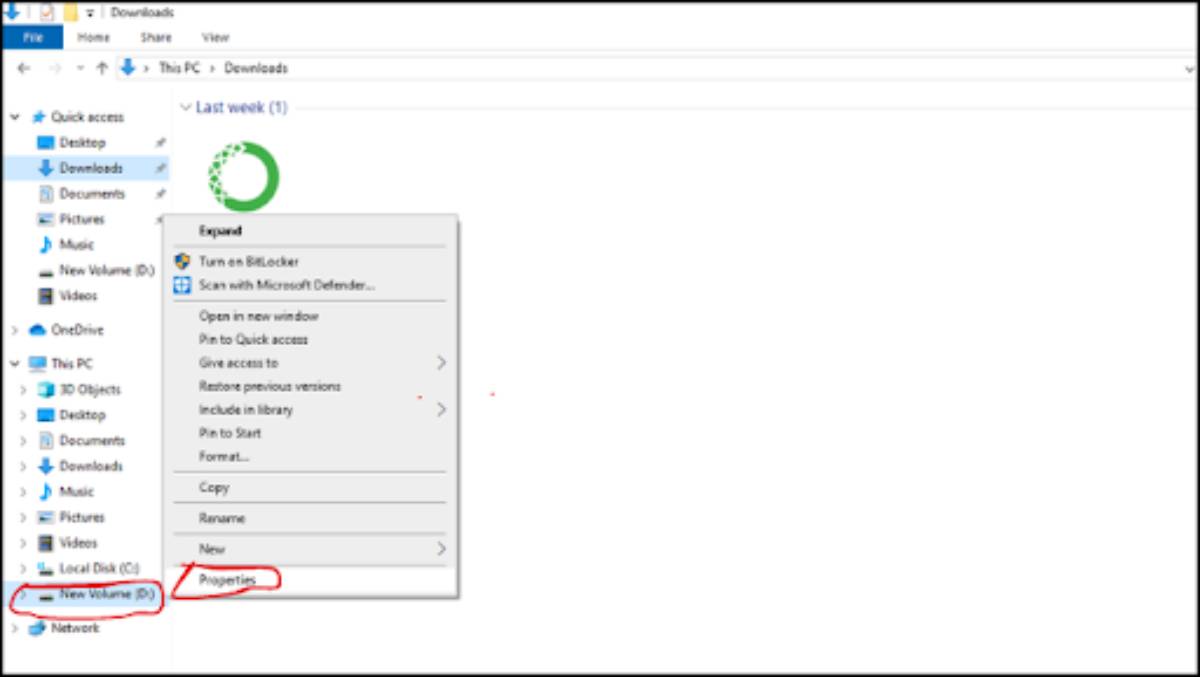
Step 1. Open "File Explorer". Right-click on the hard drive or partition you want to check and select "Properties" from the drop-down menu.
Step 2. Navigate to the "Tools" tab. Under the "Error checking" section, click the button labeled "Check."
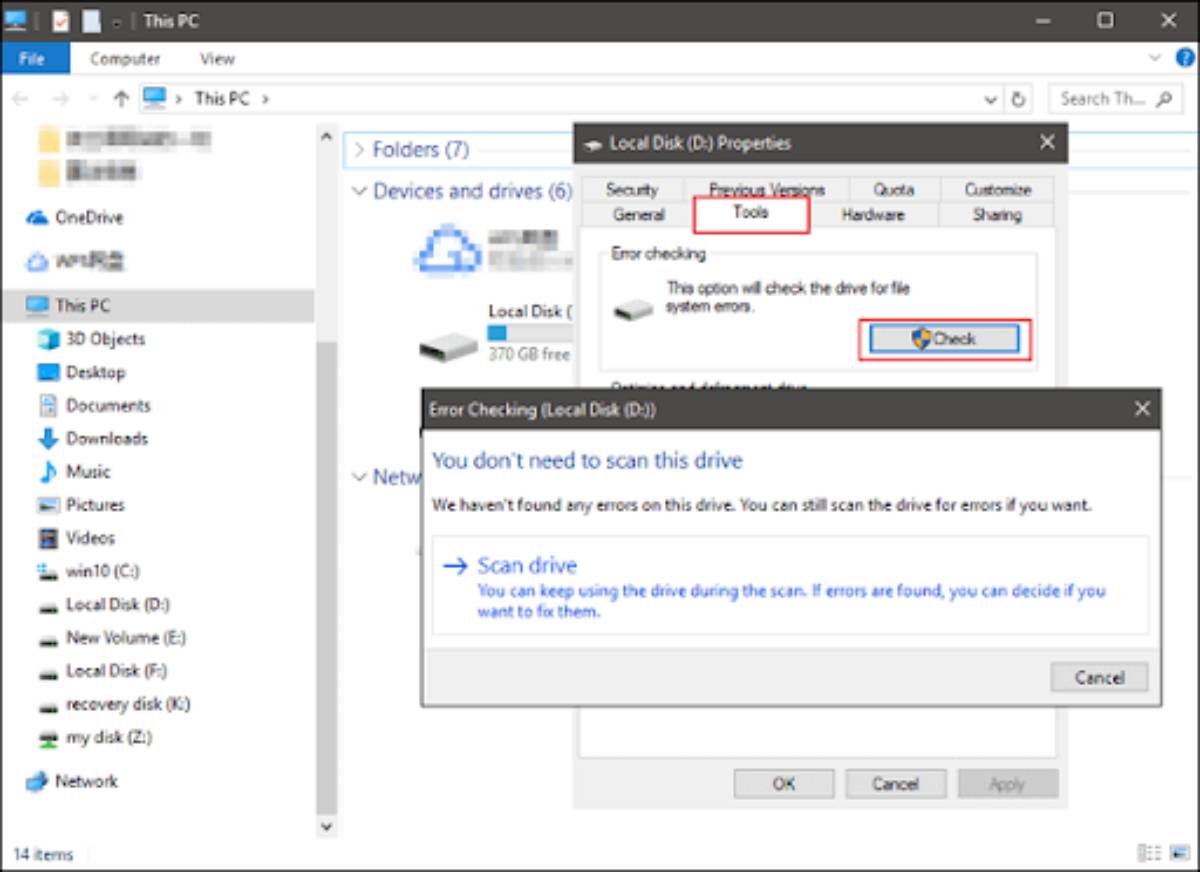
Step 3. A window titled "Check Disk Options" will appear. Here, you can select the type of repair you want to perform.
- Automatically fix file system errors: Choose this option to attempt automatic repair of file system issues on the drive.
- Scan for and attempt recovery of bad sectors: Select this option if you suspect bad sectors (physical damage) on the drive. This process attempts to locate and recover data from these sectors, but it can take significantly longer.
Step 4. Once you've chosen your repair options, click "Start" to begin the process.
Choosing the Right Option:
- Read-only mode: Click "Start" if you want to run a basic check without making any changes to the drive.
- Fix errors without scanning for bad sectors: Select only the "Automatically fix file system errors" checkbox and click "Start" if you suspect file system issues but not physical damage.
- Repair errors and recover data: For comprehensive repair including bad sector scanning and data recovery attempt, select both options and click "Start." This option takes the most time.
Once the repair process is complete, your hard drive or partition should hopefully function normally again. You can then try to access your saved data.
Note: This method may not work for all types of hard drive errors, especially those caused by physical damage. If the built-in tool fails to resolve the issue, consider seeking professional data recovery services.
2. Run SFC Scan
The SFC scan, also known as System File Checker, is a valuable tool included in Windows. It scans for and repairs corrupted or missing system files that might be contributing to your hard drive issues.
Follow the steps:
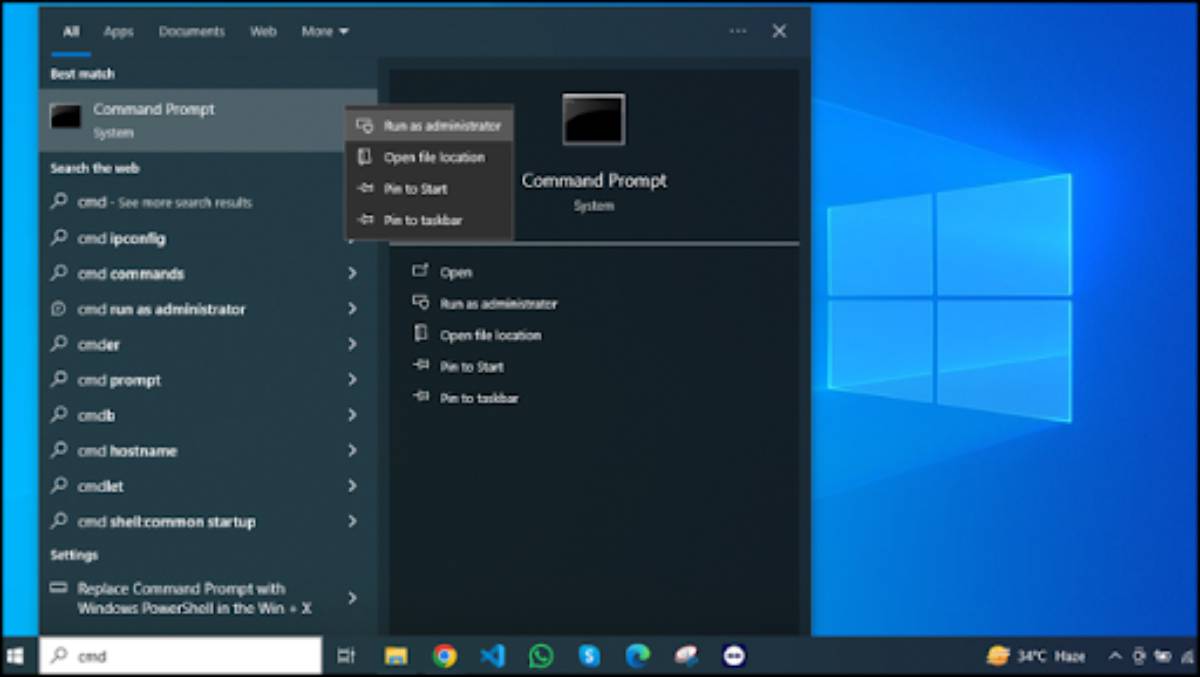
Step 1. Search "CMD" in the Windows search box, once it appears, right-click on it and select "Run as administrator" to launch it.
Step 2. In the Command Prompt window, type the following command exactly (including the space), and press Enter.
- sfc /scannow
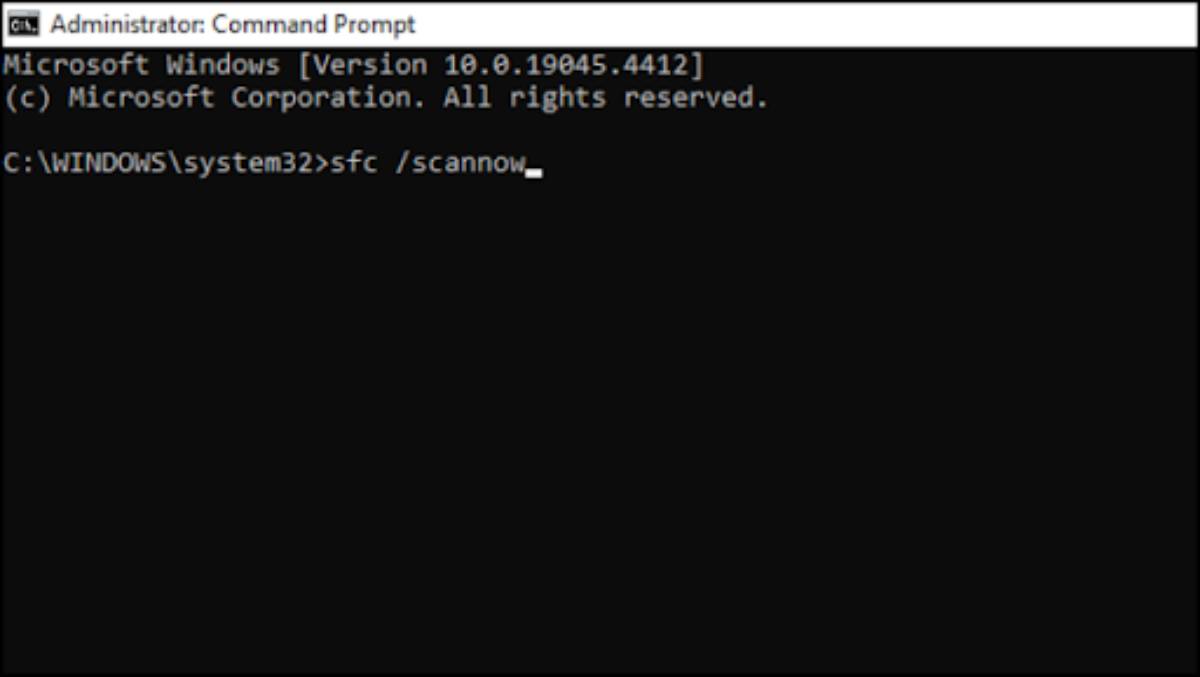
Tip: For external drives, use the command sfc /scannow /offbootdir=c:\ /offwindir=c:\windows, replace "c:" with your drive letter.
Step 3. The SFC scan will take some time to complete, depending on the size and health of your hard drive. Be patient and avoid interrupting the process.
Step 4. Once the scan is finished, exit the Command Prompt window and restart your computer for the changes to take effect.
3. Check the File System with Free Hard Disk Repair Software
EaseUS Partition Master provides a free solution to detect and repair file system errors that lead to hard disk drive corruption. This powerful tool scans your hard drive for file system errors, repairs bad sectors, and addresses annoying glitches that may hinder access to your data. If any errors are identified, EaseUS Partition Master can attempt to repair them, restoring your hard drive to full functionality.
Watch video tutorial: https://www.youtube.com/watch?v=D8Qx4rRdcZg
4. Use Powerful Data Recovery Software EaseUS Data Recovery Wizard
If your hard drive is still in RAW format and previous methods haven't worked, formatting may be necessary. Before formatting, try using EaseUS Data Recovery Wizard to recover valuable files. This powerful, user-friendly tool can recover lost files from corrupted disks, formatted drives, and deleted partitions, even if Windows can't recognize the drive.
Follow the steps:
Step 1. Download and install the EaseUS Data Recovery Wizard on your system.
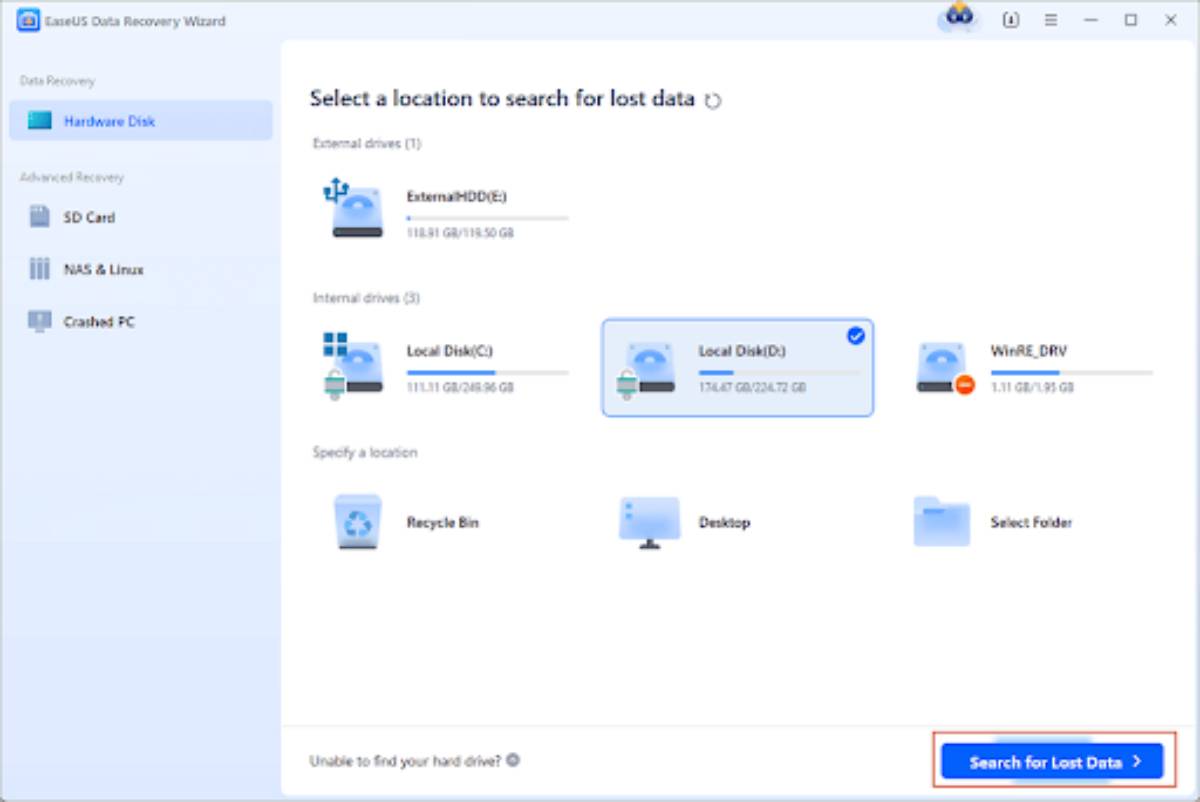
Step 2. Launch EaseUS Data Recovery Wizard and choose the corrupted hard drive where you lost your data.
Step 3. Click "Search for Lost Data" to initiate the recovery process. EaseUS will thoroughly scan the drive for recoverable files.
Step 4. After the scan, you can use the "Filter" or "Search" functions to pinpoint the specific files you need.
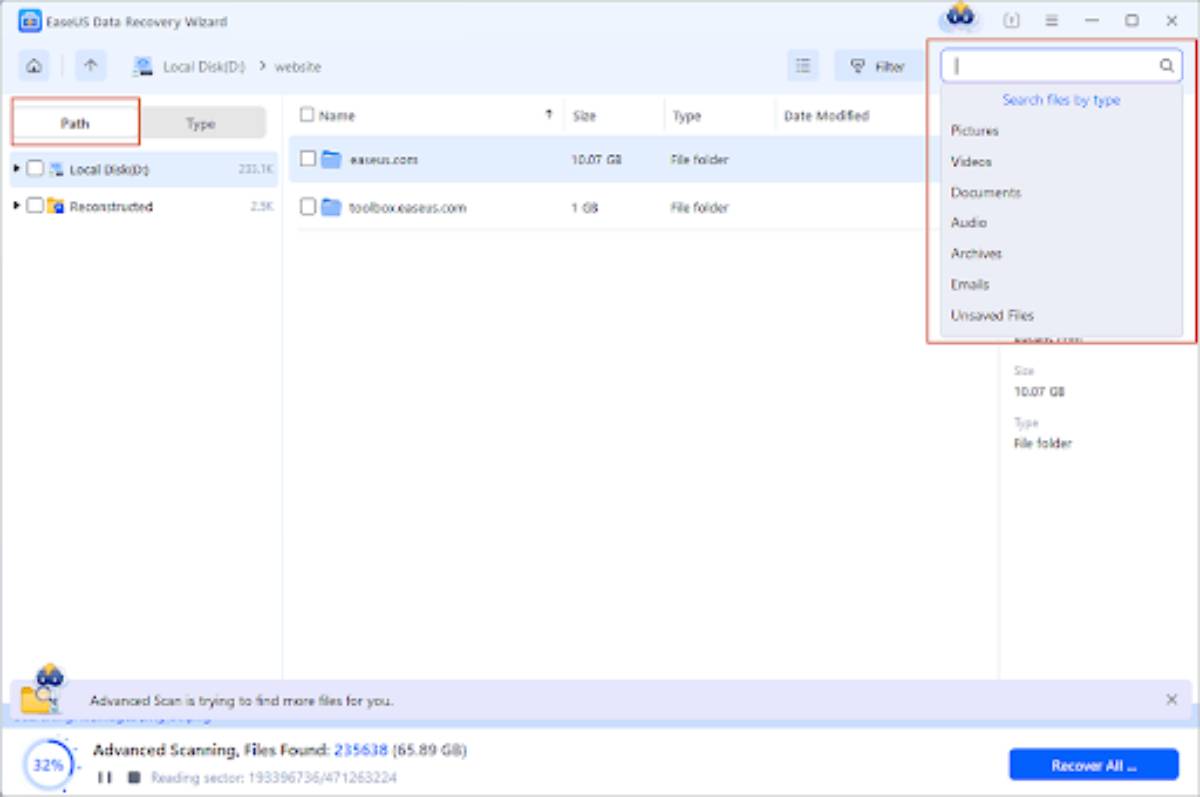
Step 5. Select the files you want to recover and click "Recover." Choose a safe location on another storage device to save your recovered files.

Tip: It's crucial to save recovered data on a separate storage device to avoid overwriting the original data on the corrupted drive.
Using EaseUS Data Recovery Wizard before formatting significantly increases the chances of recovering important files from a corrupted hard drive.
Format a corrupted hard drive to repair
Once you've successfully recovered data from the corrupted hard drive using EaseUS Data Recovery Wizard, format it using Disk Management to repair the disk, then transfer the restored data back to the drive (if needed).
Note: Before following these steps, ensure you've used data recovery software like EaseUS Data Recovery Wizard to recover any important files from the corrupted hard drive. Formatting will erase all existing data, and as a result, you'll lose your valuable data.
Follow the steps:
Step 1. Go to File Explorer, right-click on "This PC" and select "Manage."
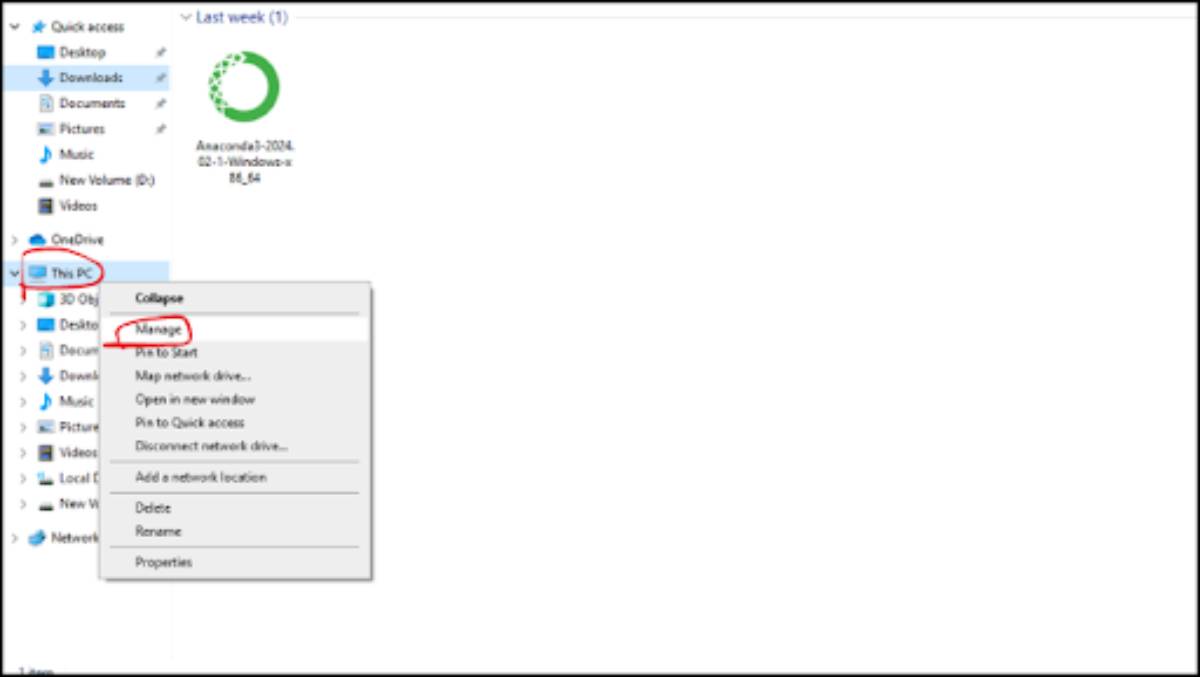
Step 2. In the new window, navigate to "Disk Management" located under "Storage."
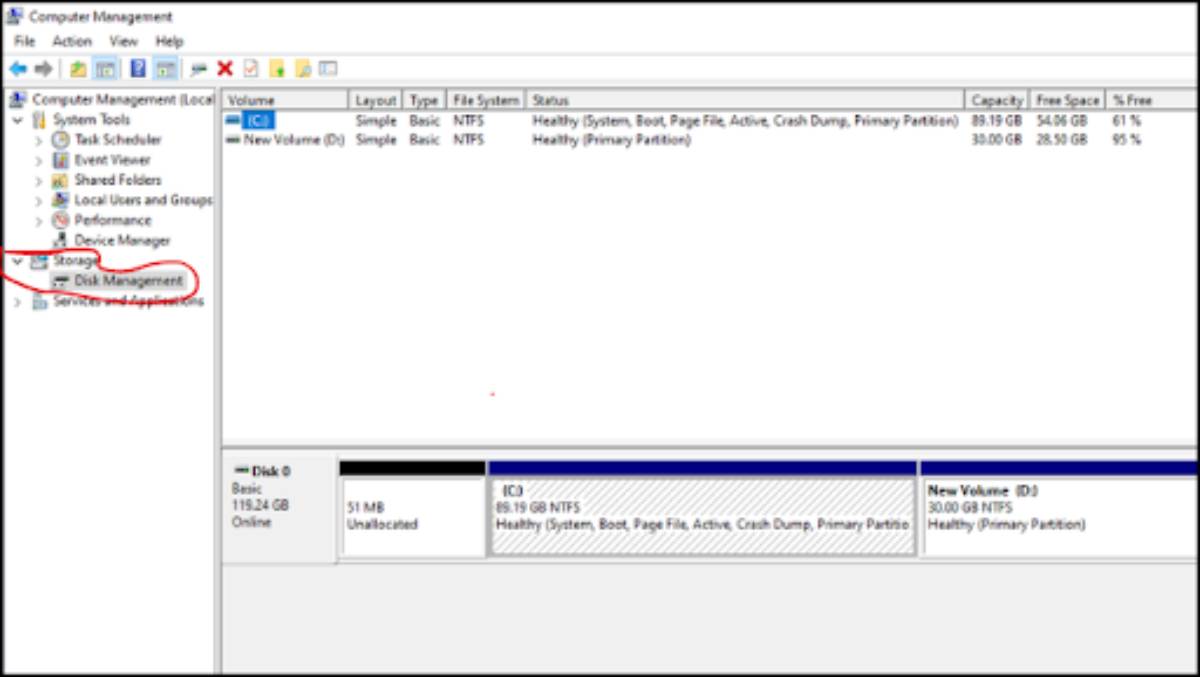
Step 3. Within the Disk Management window, identify the corrupted hard drive you want to format.
Step 4. Right-click on the target hard drive partition and select "Format" from the context menu.
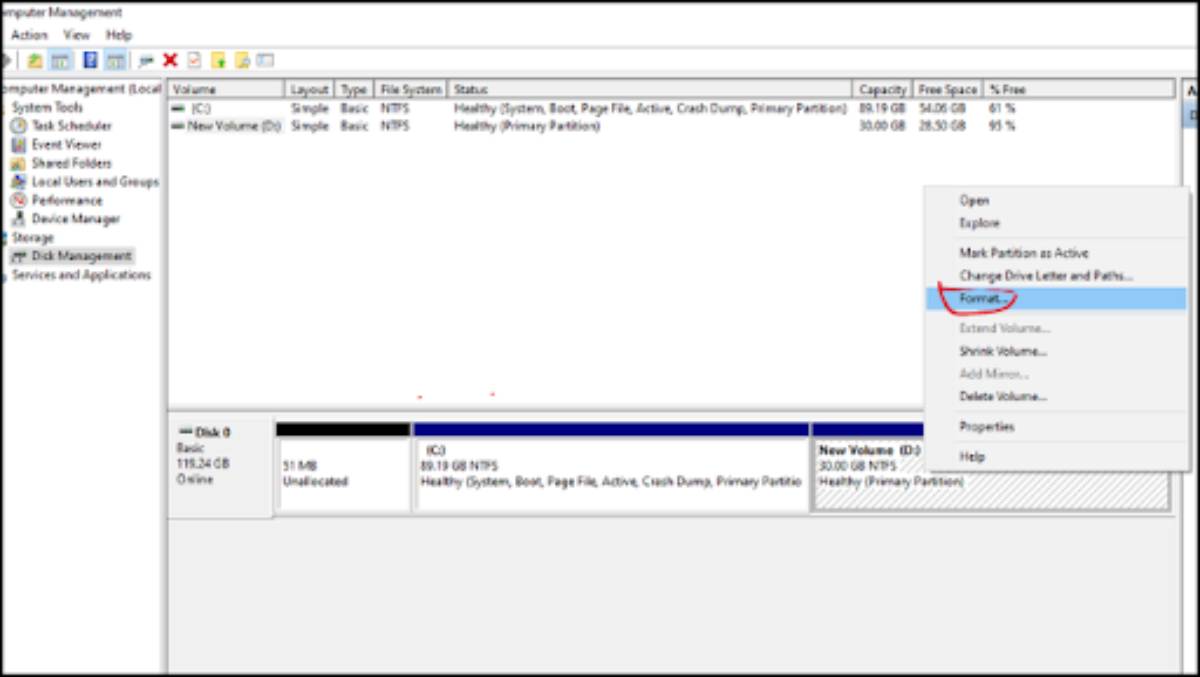
Step 5. Set the volume label and file system, and click "OK" to start formatting the drive.
Conclusion
This guide has empowered you to become your own hard drive hero! You've learned valuable skills to diagnose and potentially repair common hard drive errors using free tools like EaseUS Partition Master. Additionally, you've discovered the power of EaseUS Data Recovery Wizard, a software that can help retrieve lost files from corrupted or formatted drives.
Remember, prevention is key. By understanding the signs of hard drive trouble and acting promptly, you can increase your chances of a successful repair and minimize data loss.